
Sri Venkateshwara Devasthanam Charitable Trust is pleased to announce that the Temple Mandapam in Ramarama is now open seven days a week. Devotees are welcome to visit daily between 9:00 am and 12:00 pm, and again from 5:00 pm to 8:00 pm.
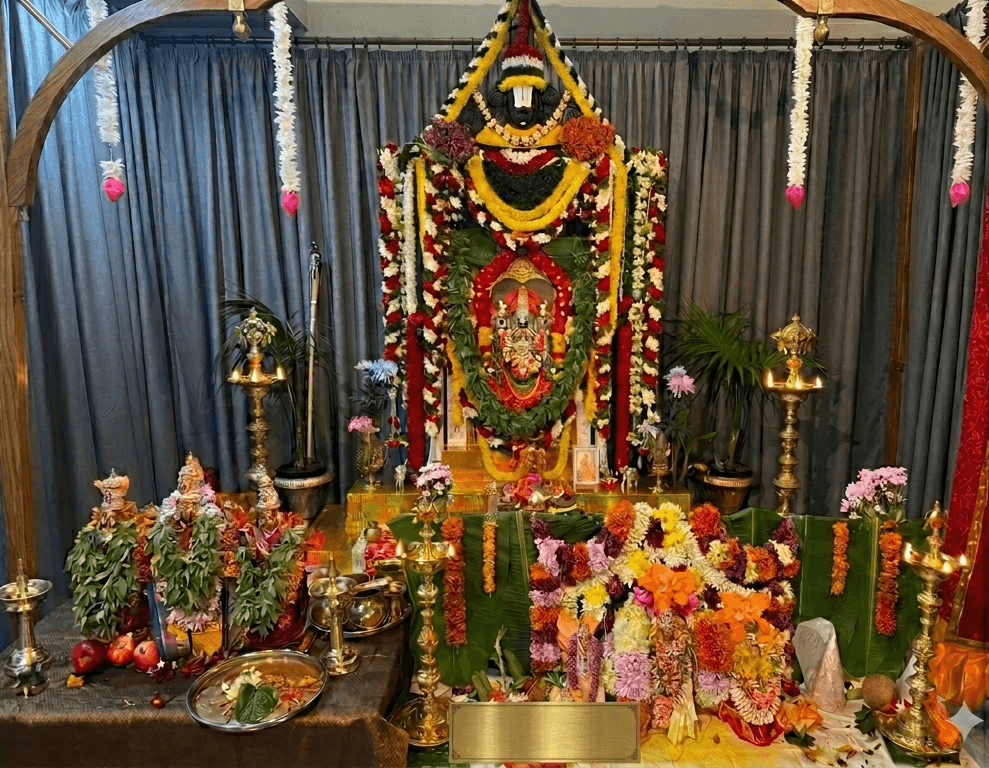
This extended access follows the auspicious installation of the Kauthuka Murtis, including Lord Venkateshwara and the Ram Parivar, which took place on 22 March 2026.
The Temple offers a range of Priest‑led services, such as Archana and Namakarana. Additionally, the Vishnu Sahasranama and Hanuman Chalisa are recited every Saturday for the benefit of devotees.
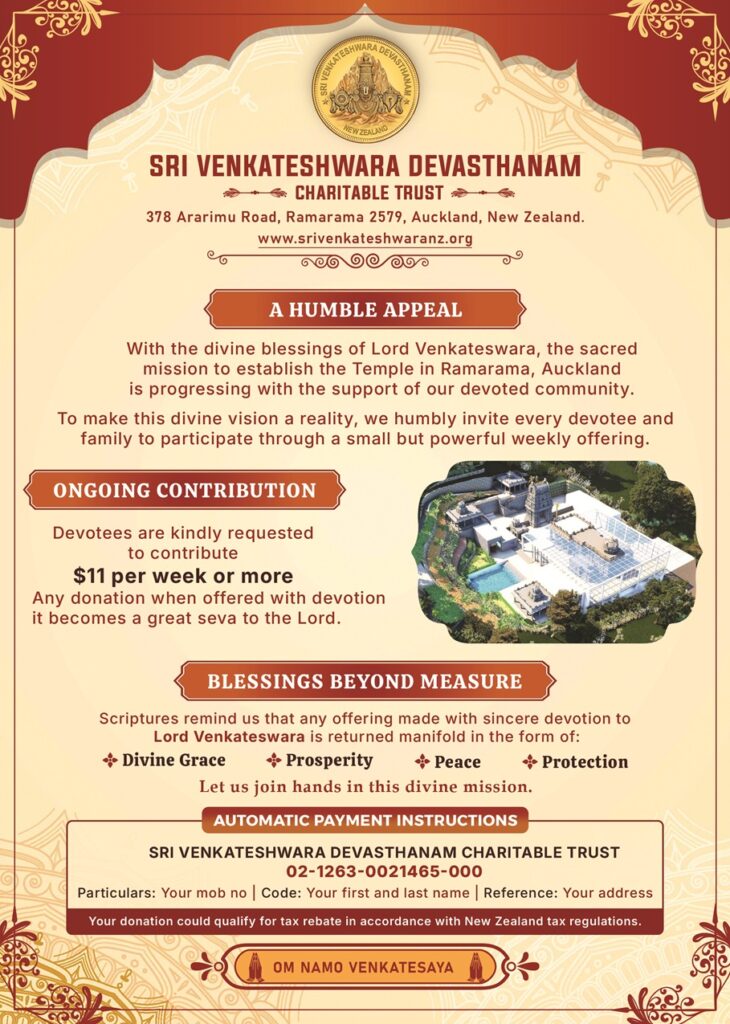
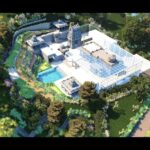
To support the ongoing construction of the Balalayam and the Main Temple, the Trust humbly requests weekly donations of $11 per person.
Rituals and Religious Services
The Temple provides a variety of Priest‑led services, including daily prayers, Archana, Sevas, and Namakarana, all of which play an important role in nurturing the spiritual well‑being of the community. The Temple Priest is also available to conduct religious ceremonies such as Grahapravesham, birthday celebrations, and engagement rituals at devotees’ homes or offices upon request.
Weekly spiritual observances are held every Saturday from 9:30 am to 11:30 am, featuring the recitation of Vishnu Sahasranama Parayana and Hanuman Chalisa Parayana. These prayers are followed by the distribution of Temple Prasadam to all participants.
Sacred Installation of Kauthuka Murtis
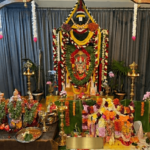
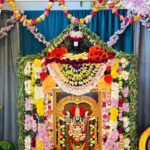
The Temple Project reached a significant spiritual milestone with the conduct of the Nutana Puja Vigraha Samprokshana and Sudhi Programme on 22 March 2026. During this auspicious event, the temporary deities (Alankara Murtis) of Lord Venkateshwara, Sridevi, and Bhudevi, along with the Ram Parivar—comprising Lord Rama, Goddess Sita, Lakshmana, and Lord Hanuman—were ceremonially installed in the Mandapam. These sacred idols were specially crafted in India for the Temple and formally consecrated for worship.
Nutana Puja Vigraha Samprokshana refers to the consecration of newly created sacred idols intended for regular worship. This elaborate process includes a series of prescribed Vedic rituals aimed at invoking divine presence into the physical forms of the deities. Through these sacred rites, the idols are transformed from symbolic representations into sanctified vessels of spiritual energy, enabling devotees to establish a deeper connection with the Divine through prayers and offerings.
The ceremony is specifically known as Kauthuka Murti Samprokshan. In traditional temple practice, the Kauthuka Murti is a smaller representative idol used for daily rituals such as sacred bathing and offerings, serving to protect and symbolise the presence of the main deity. Samprokshan is the sanctification ritual in which consecrated water is used to purify and spiritually energise these idols.
The comprehensive programme held in Ramarama followed several traditional stages, including:
(a) Vishvaksena Puja and Ganapathi Puja
(b) Punya Havachanam and Pradhana Kalasha Puja
(c) Sapta Kalasha and Nava Kalasha Aradhana
(d) Vastu Puja, Homam, Abhishekam, and Murti Avahanam
(e) Baliharanam, Pradhana Archana, and Aarti
(f) Theertham and Prasadam distribution
Humble Appeal for $11 nzd donations
Leave a Reply